Why You Assume Someone Is Upset With You (The Brain Science of Mind Reading)
Mind reading is what happens when you decide what someone else thinks, feels, or means without having the facts. Your brain does it because it fills gaps — it takes a face, a tone, a pause, and hands you a conclusion so you know how to act. That part may work for you - until it doesn’t. The trouble starts when you treat your conclusion like it’s a fact. The way out is short: ask yourself what you actually know, ask the other person for clarity when you can, and take them at their word when they answer.
Have you ever had a whole conversation with somebody who wasn't in the room? You know exactly what they're going to say. You know the tone they'll use. You can see the face they're going to make. And then by the time you're actually standing in front of them, you've already changed what you were going to say — because of a reaction you’ve only imagined.
Everybody does this, some of us more than others. Doing it is not the problem — it's the same part of you that walks into a room and knows something is off before anybody has said hello. When you’re right, it’s useful information. A real skill. But without questioning it — you risk hurting relationships.
In Episode 26 of the Unafraid Living podcast, Kim and I dug into what's actually happening when your brain does this, and what to do about it — especially if you took our quiz and came out a Harmonizer, or people-pleaser.
Your Brain and Mind Reading.
Your brain does not like gaps. It needs information so it knows how to operate, and when the information isn't there, it fills in. So it goes looking for what it can get. Facial expressions. Tone. Timing. How long somebody took to answer. Body language. All of that is genuinely useful information — it's how we read a room. But it isn't complete information, and this is where it gets interesting: your brain doesn't only use what's in front of it. It blends the current cues with past experiences, with old expectations, with memories of how things went before.
But people change, yet there is no room for that when you are mind-reading. You engage expecting the outcome to be the same as before. That's mind reading. Noticing is information. Interpretation is what might be off. Getting curious about people helps — especially when you know them well.
Why Does Something You Made Up Feel So Convincing?
Because your brain is a prediction machine, and prediction is one of the ways it works efficiently. It spots patterns. Most patterns do repeat. So when it says ‘he has that look on his face, and the last two times he had that look he was upset with me’, it isn't malfunctioning — it's problem solving with the material it has.
Two things stack on top of each other and make the assumption feel like a fact. The first is negativity bias. We all have it. Given a gap, we tend to fill it with a negative. Here is an example. Social interactions grab our attention fast. We don’t make time to think, ‘maybe he has a stomach ache’ and we go to ‘he must be upset with me’ in a split second. Your amygdala picks up the emotional significance of what you've noticed and raises your alertness before you've had a chance to sort out what's actually true. That's quick, and it feels certain.
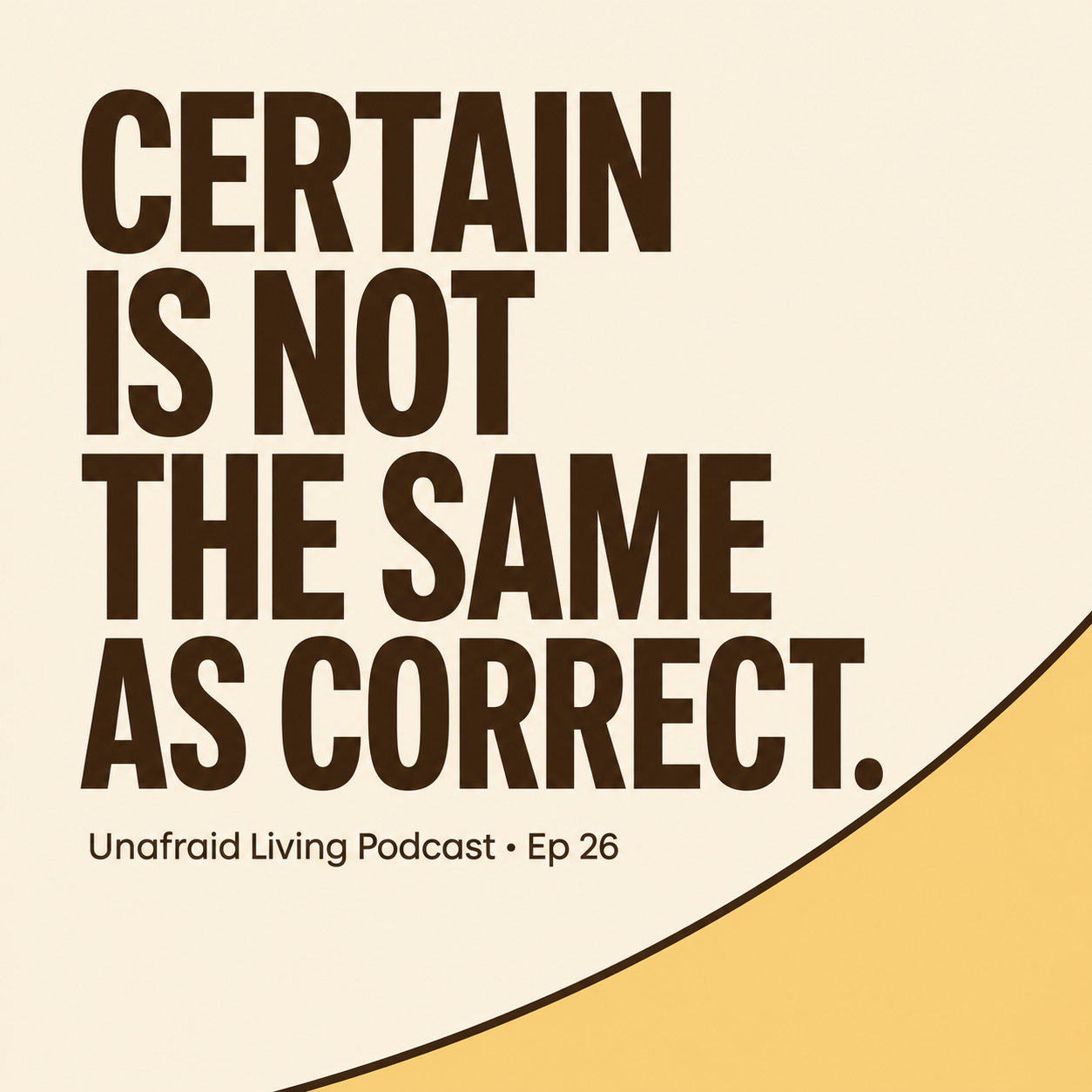
Certain is not the same as correct.
Why Do Harmonizers Mind Read So Often?
Since relationships are where you put most of your attention, reading people isn't a hobby — it's part of how you understand the world. Attunement to people's moods, needs and preferences is a real strength.
But a Harmonizer doesn't just notice — they like harmony. They want the people around them to be okay and their relationships to feel good. So when a note seems to be missing, they fill it in. That's where mind reading sneaks in. The problem is, they're guessing — and sometimes they fill in the wrong note. And when they guess wrong, they create the very thing they were trying to avoid: discord.
We need Harmonizers because they make life more pleasant for all of us. It's the mind reading that can turn harmony into discord.
Are They Facts or Fiction?
Here's a question that can help a mind reader pretty quickly:
What do I actually know — and what did my brain add?
Maybe someone got quiet. That's what you know.
She's upset with me. I must have said something wrong. She's still mad about what happened last week.
That's what your brain added.
There's nothing wrong with noticing that she got quiet. You might even be right that something is wrong. The problem is when you skip from noticing to knowing.
So get curious. Ask, “You got quiet. Is everything okay?”
And then here's the part that can be surprisingly hard: believe what they tell you. If she says she's okay, let her be okay. You don't have to keep looking for what she really meant.
Healthy relationships need that. We can notice when someone's words and behavior don't seem to match and ask about it, but we can't be responsible for figuring out what another person won't tell us. They are responsible for communicating honestly; we are responsible for listening to what they say.
Healthy relationships shouldn't require us to decode what is meant. This is a form of mind reading we can feel forced into, and it can backfire the minute we get it wrong.
What If You Made Up a Better Story Instead?
When I did relationship coaching, I used a simple exercise with couples. We'd start with something that actually happened:
He didn't pick up the dry cleaning.
Then I'd ask them to come up with three possible explanations. The negative ones were easy.
He doesn't care about what I need. He doesn't prioritize me. He probably stopped for a drink instead.
Then I'd ask for three positive possibilities.
Maybe he got caught up at work. Maybe his mom called. Maybe something happened that I don't know about yet.
Here's the important part: You don't know if any of those stories are true. You're mind reading either way.
I'm not suggesting toxic positive thinking or pretending everything is wonderful. I'm saying that if your brain insists on filling the gap before you have the facts, why fill it with a story that makes you angry, worried or hurt?
If you're going to make up a story, make up a better one.
Then wait for the facts.
What Does Thinking the Worst Actually Cost You?
It's easy to see how mind reading can hurt our relationships. But it can affect our health too.
Think about what happens when you fill in a gap with the worst possible explanation. You worry. You get irritated. You might feel hurt, angry or resentful — and your body responds to all of those emotions. Your heart, your gut and your mental health can all feel the effects of a story that may not even be true.
I hear people say all the time, “I'm just a worrier.” But here's something worth asking yourself: How would your life be different if you stopped filling in the gaps with negative stories?
And here's an option we haven't talked much about yet: you don't have to fill in the gap at all.
You can wait.
You can let yourself not know until you have enough information or can have the conversation. That's hard. Our brains like answers. But learning to be okay with not knowing can save us a whole lot of worry and sometimes save us from unnecessary conflict.
What Do You Do When You Catch Yourself Mind Reading?
Changing mind reading starts with catching yourself doing it. When you do, try one of these:
“I noticed you got quiet. Is everything okay?”
You noticed. Now ask instead of deciding what it means.
“What do I actually know, and what did my brain add?”
Separate the facts from the story you've built around them.
“I don't know what this means yet.”
Sometimes there isn't anyone to ask, or you need to wait. You don't have to decide in the meantime.
You won't catch yourself every time. That's okay. Each time you interrupt the old pattern, you're giving your brain an opportunity to practice a different one.
Download the free Gap Tracker printable practice worksheet to track your progress this week — one page, no email required: THE GAP TRACKER
Ready to Go Deeper?
The UNAFRAID course gives you the brain-based tools to stop running on assumptions and start getting the real information — one small shift at a time.
Fearless Foundations ($97) at unafraidcourse.com
Start with the free Hidden Fear Profile Quiz — it helps you identify exactly what's driving your patterns: unafraidliving.com/quiz
Explore the Harmonizer Series:
🔗 Episode 25: What Is a People Pleaser? The Harmonizer Pattern and Why It Wears You Out
Frequently Asked Questions
What is mind reading in psychology?
Mind reading is deciding what another person thinks, feels or means without actually knowing. Your brain uses things like facial expressions, tone, timing and past experiences to fill in missing information. Sometimes your prediction may be right. The problem comes when you treat your interpretation as a fact.
Why do I always assume people are upset with me?
Your brain naturally fills in gaps, and negativity bias can make a negative explanation come to mind quickly. Instead of assuming someone is upset with you, ask yourself: What do I actually know, and what did my brain add?
Is mind reading the same as intuition?
No. Noticing that something feels off can be useful information. Mind reading happens when you go from noticing something to deciding what it means without having the facts. Keep noticing — just get curious about your interpretation.
How do I stop mind reading in my relationships?
Start by separating what you know from what you're assuming. Ask for clarity when you can, and believe what the other person tells you. If you don't have enough information yet, you can consider other possible explanations — or simply wait until you know more.
Why are Harmonizers prone to mind reading?
Harmonizers tend to pay close attention to relationships and are often highly attuned to other people's moods, needs and preferences. That's a strength. But because they value harmony, they may start filling in missing information so they can figure out what someone needs or how to respond. That's where attunement can turn into mind reading.